Welcome to the Family History Social

The very latest news from the world of genealogy

Categories

TheGenealogist adds another 64,920 War Memorial records and 13,487 new Headstone records


This week TheGenealogist has expanded its growing headstone and war memorial record collections with some interesting new additions to both. The headstone records cover 53 new cemeteries and the various war memorials are from Australia, Britain, Canada and the USA.


The International Headstone collection is an ongoing project where every stone photographed or transcribed earns volunteers credits, which they can spend on subscriptions at TheGenealogist.co.uk or products from GenealogySupplies.com. If you would like to join, you can find out more about the scheme at: https://ukindexer.co.uk/headstone/


Anthony Eden, Earl of Avon’s grave in Alvediston, Wiltshire on TheGenealogist  Anthony Eden, Earl of Avon’s grave in Alvediston, Wiltshire on TheGenealogist

The headstone for the Earl of Avon, Anthony Eden, is included in this release. This politician served three periods as British Foreign Secretary and then succeeded Winston Churchill as Prime Minister from 1955 to 1957. He is laid to rest at Alvediston in Wiltshire.
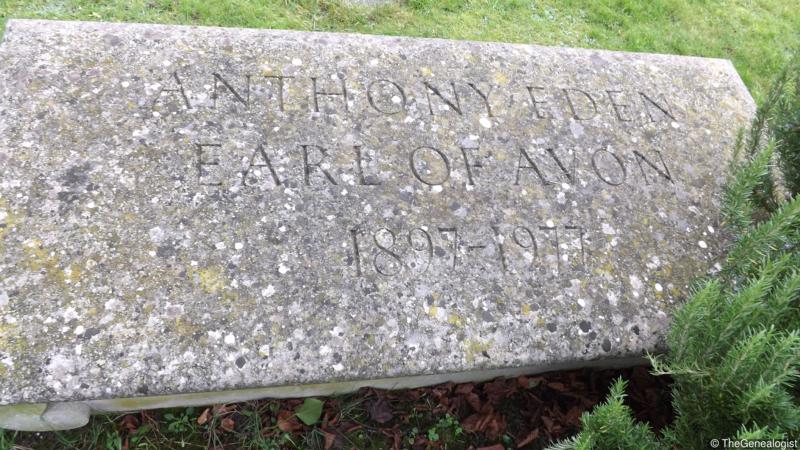
 

Anthony Eden, Earl of Avon’s grave in Alvediston, Wiltshire on TheGenealogist

Anthony Eden, Earl of Avon’s grave in Alvediston, Wiltshire on TheGenealogist


Also published online this week are an additional 64,920 War Memorial records which include a complete roll of honour for both WW1 and WW2 for Shetland, with men's units and the Shetland village in which they had resided. There are other war memorials in this release that cover the country including the Abercarn Tinplaters Memorial Institute in Wales. There are plaques and monuments in Bedford, Bolton, Lancashire, London, Merseyside, Greater Manchester, Warwickshire and even further afield in Canada, Western Australia and the USA. One of the Canadian memorials is a fascinating, but sadly very worn, WW2 memorial from Calgary in Canada that names 227 aircrew from Australia and New Zealand who died while training in Calgary, revealing just how dangerous WW2 aviation was.
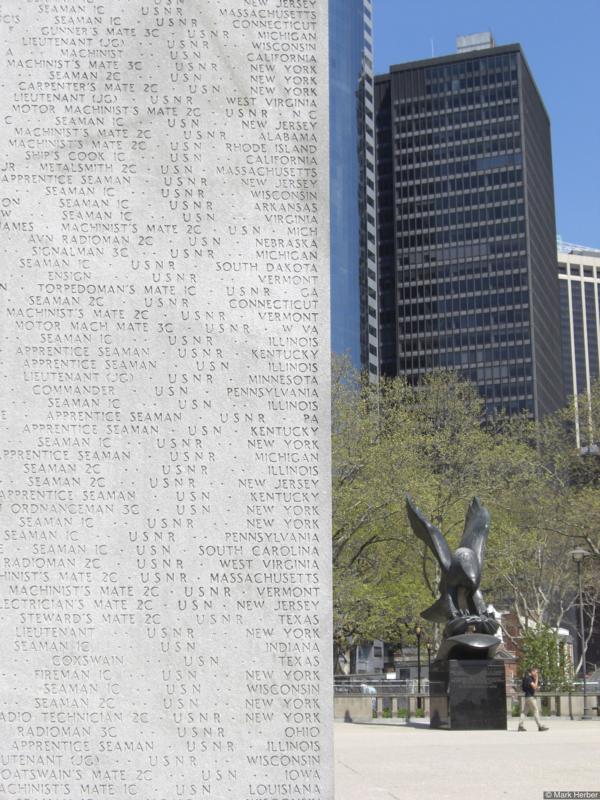
 

War Memorial at Battery Park, New York, USA, on TheGenealogist


From the USA TheGenealogist has uploaded some WW1 and WW2 war memorials from New York, including a fine one in Battery Park. This is a roll of those men and women who lost their lives in the Atlantic coastal waters in WW2 and had no known grave as a result of U-boat action. The war memorial gives researchers the ranks, units and the US state from which they had come, and the shockingly large number of Americans included is a salutary lesson when in Britain we are often only aware of our own countrymen/women who died at sea from enemy action against the convoys.


Lastly there are a number of Boer War memorials - for example the tribute within Blackpool Town Hall that commemorates the 74 Blackpool men who volunteered to join various units for service in South Africa.


These new records are all available as part of the Diamond Subscription at TheGenealogist.


To find out more about the UKIndexer volunteer project, you can read the following article:


https://www.thegenealogist.co.uk/featuredarticles/2018/family-history-can-be-a-rewarding-hobby-790/
 

Leave a comment

TheGenealogist adds another 15,000 names from 53 new War Memorials

In time for Armistice day TheGenealogist has added to their War Memorial records on the website so that there are now over 383,000 fully searchable records.

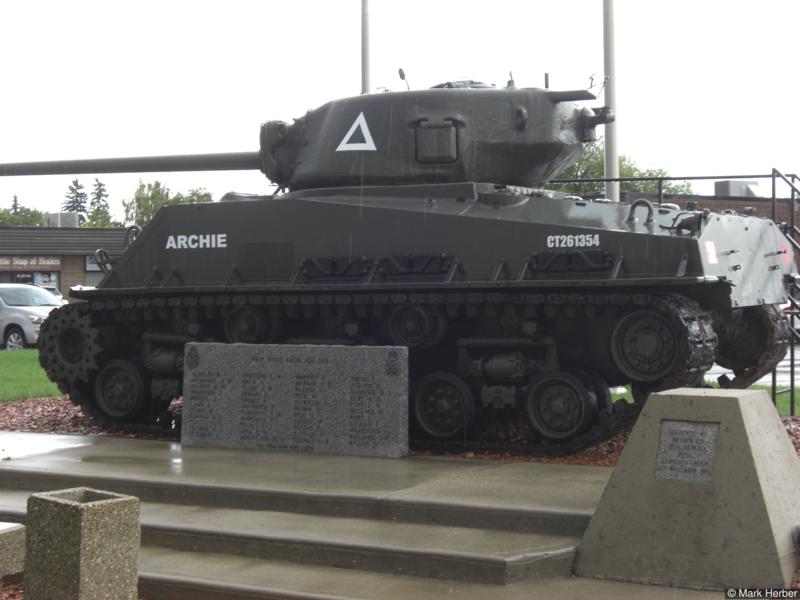
Mark Herber's photo of a War Memorial at Olds, Alberta

War Memorial at Olds, Alberta in Canada newly added to TheGenealogist

This latest release includes war memorials from Worcestershire and South Yorkshire as well as some further monuments from Australia, Canada, London and various other British counties. A more unusual one added in this release is from Olds, in Alberta, Canada - the memorial is a Sherman tank! War Memorial at Olds, Alberta in Canada newly added to TheGenealogist Fully searchable by name, researchers can read transcriptions and see images of the dedications that commemorate soldiers who have fallen in the Boer War, WW1 and various other conflicts.   These new records are available as part of the Diamond Subscription at TheGenealogist. Read our article on War Memorials that reveal WW1 heros, The neglected Sheffield soldier finally recognised, at: https://www.thegenealogist.co.uk/featuredarticles/2017/war-memorials-that-reveal-ww1-heroes-681/  
Leave a comment

TheGenealogist Launches over 282,000 Parish Records, plus 43,000 New War Memorial Records


New records to search from TheGenealogist

The Genealogist has added to the millions of its UK Parish Records collection with over 282,000 new records from Essex, Cumberland and Norfolk making it easier to find your ancestors’ baptisms, marriages and burials in these fully searchable records covering ancient parishes. Some of the records go back as far as 1672. Also released are another 43,000 new war memorial records. The new release of War Memorial records means there are now over 350,0

War Memorials on TheGenealogist00 searchable records. This latest release includes war memorials from London, along with further English counties including Cumbria, Berkshire, Warwickshire and Suffolk. The collection also stretches across the globe to encompass new War Memorials situated in Perth, Australia and the Province of Saskatchewan in Canada. Fully searchable by name, researchers can read transcriptions and see images of the dedications that commemorate soldiers who have fallen in the Boer War, WW1 and various other conflicts.
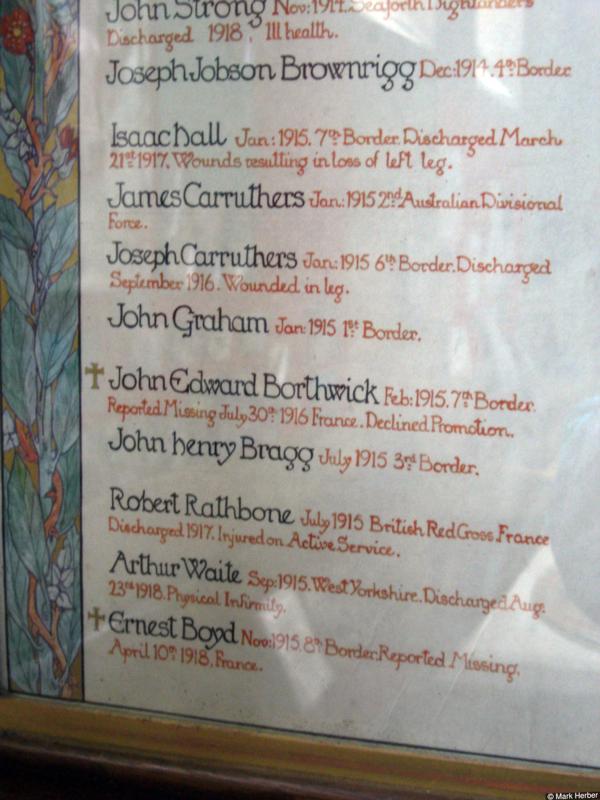
     

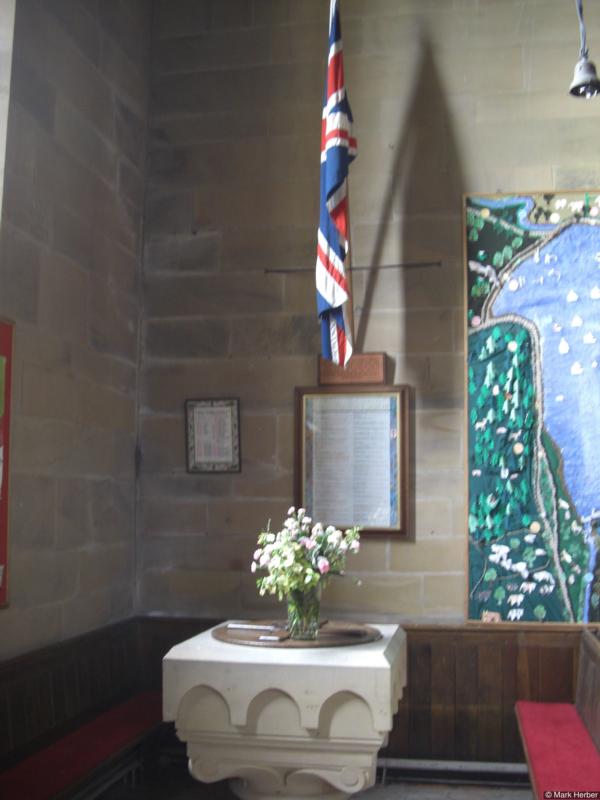
example of a war memorialIn amongst these newly published War Memorial records are those from St John’s Church in Bassenthwaite, Cumbria. This is a fascinating WW1 roll with men who died or served and includes information such as that for Louis Willis Bell who died in Rouen as a result of poison gassing. Another notable entry is that for Isaac Hall. This soldier enlisted in January 1915 in 7th Border Regiment and was discharged on the 21st March 1917, because of wounds resulting in the loss of his left leg.
        Example of Parish Records on TheGenealogist:

Parish Records can sometimes unearth fascinating stories

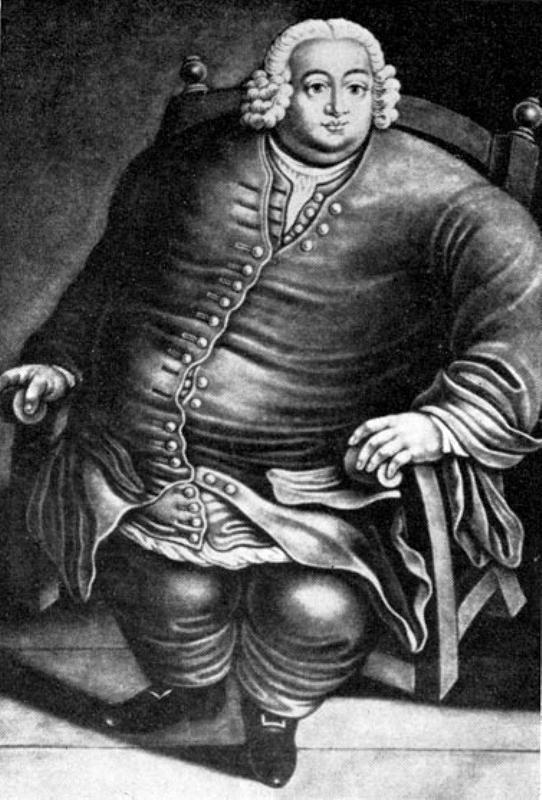
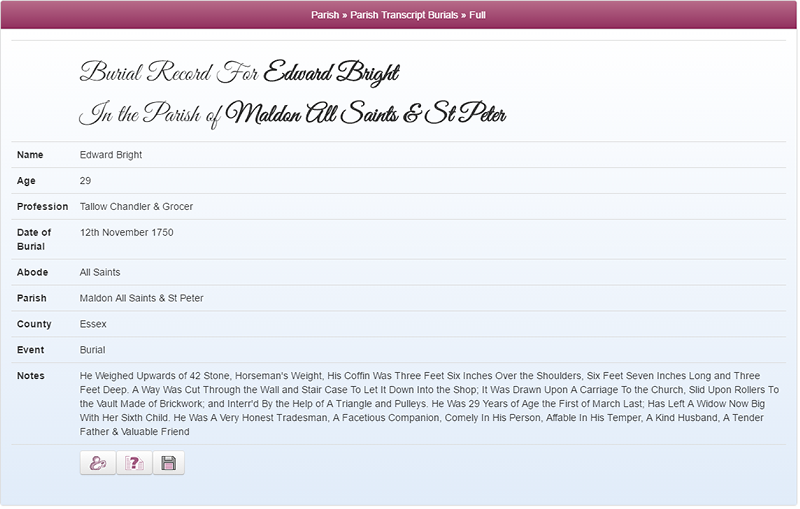
We are all aware that parish records give us those all important dates and names for our ancestors - but in some cases they reveal interesting stories as well. When a vicar, or parish clerk, feels the person they are entering in the register needs an extra explanation, over and above the date and name of the person, then some fascinating historical details can emerge for researchers to read. As an excellent example of this we can look in the parish records for All Saints Church, in Maldon, Essex. Here we find the burial of one Edward Bright in the year 1750. Edward, a Tallow Chandler and Grocer, who died when he was in his late twenties, had an unusual claim to fame. The entry in the parish register on TheGenealogist reveals that he was an extremely large man, weighing 42 stone (588 pounds) and was in fact believed to be the fattest man in England at the time.

The Fat Man of Maldon

Edward Bright by David Ogborne http://www.itsaboutmaldon.co.uk/edwardbright/) [Public domain], via Wikimedia Commons
The notes for his burial on the 12 November 1750 in the parish register explain that Edward had to be buried in a special coffin as he was so large. To remove the casket from his room above his shop, special provisions were needed requiring structural modifications to the wall and stairs to aid his final journey to All Saints. Having arrived at church on a carriage, more unusual procedures were used to get the deceased to his final resting place. Edward’s coffin would have been far too heavy to be borne by pallbearers up the aisle to rest before the congregation during the funeral service. Also it would have severely taxed the muscles of those men who would have normally lowered it manually into the grave. The logistics, in this case, needed rollers to be used to slide the coffin up to a brickwork vault and then a triangle and pulleys were used to lower poor Edward into his grave. The parish register entry did, however, not just dwell on the problems of burying a man of such large proportions. It went on to also record a number of positive attributes that Edward Bright had - so giving us a picture of the man that he was. We can see that he was well thought of by the vicar and community of this 18th century Essex parish. The register tells us that he was: “... A Very Honest Tradesman. A Facetious Companion, Comely In His Person, Affable In His Temper, A Kind Husband, A Tender Father & Valuable Friend.”

Burial record from parish record on TheGenealogist

As we have seen here, sometimes a parish register can give you so much more than just the date that your ancestor was baptised, married or buried. https://www.thegenealogist.co.uk/featuredarticles/2017/the-fat-man-of-maldon-436/
One comment so far

TheGenealogist releases British Telephone Directories, United States WW2 PoWs and more Worcestershir

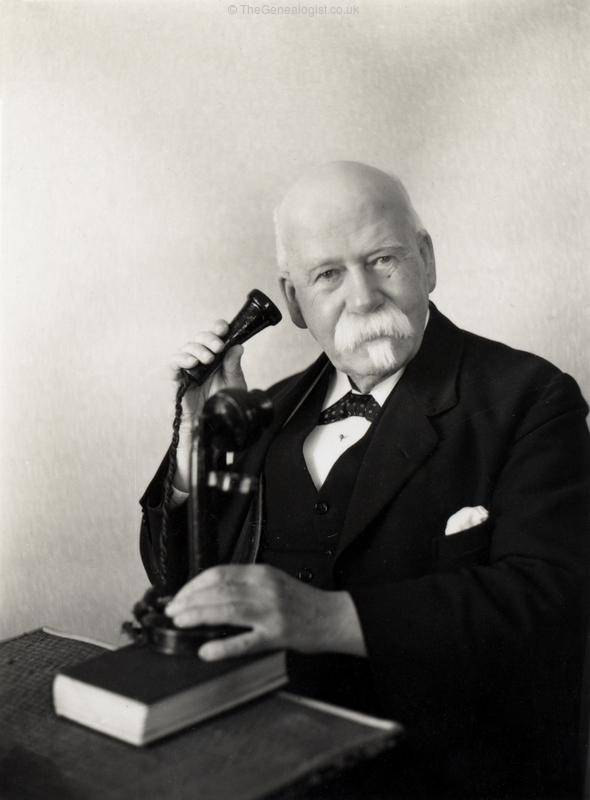
TheGenealogist has just launched a new collection of British telephone directories. Complementing the early UK Telephone Directory from 1899-1900 that is already available on TheGenealogist, this new release includes the 1907 Post Office National Directory which adds a resource for finding names and addresses before the 1911 census. This directory was published at a time when the telephone was becoming more important to our ancestors. The Post Office's first coin-operated call box had been installed at London’s Ludgate Circus just the year before, and Trunk (long distance) telephone charges were reduced to half-price for telephone calls made after 7pm and before 7am.

Edwin Ringer

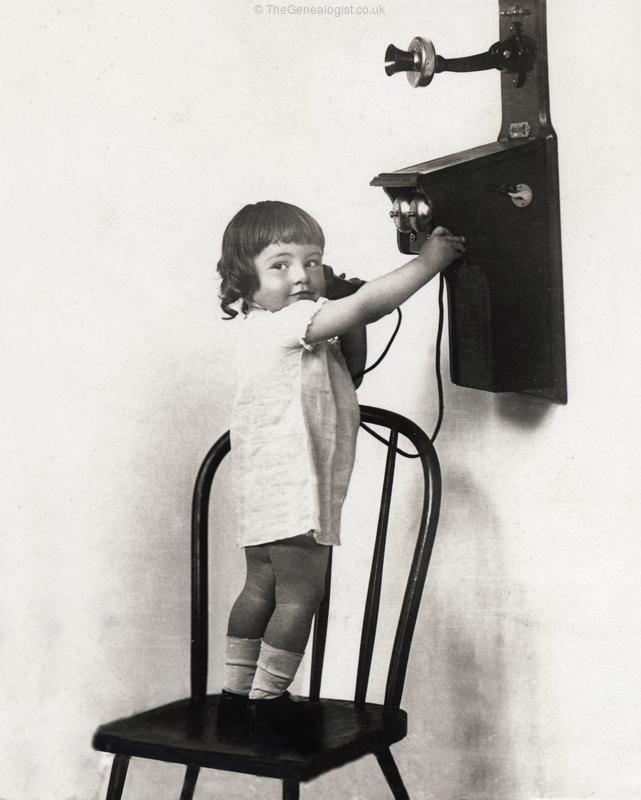
old telephone on thegenealogist.co.uk

  In addition, and at the same time, TheGenealogist has released the 1938 South Wales District Post Office Telephone Directory. The big contrast between this and the earlier directories are that so many more ordinary people had become telephone subscribers. For this reason the directories were by now split up into regions to cope with the large number of names and addresses.  
  • Containing names and address details for subscribers the telephone directories are a useful resource for discovering ancestors who had a phone
  • Find private names and small businessmen’s addresses. If your ancestor worked as a fishmonger, butcher, ironmonger or bootmaker, then all these and more feature in the fascinating records.
  • The difference between the turn of the century directories and the 1938 South Wales District Directory is marked by the number of new telephone subscribers, so making it possible to find many more ancestor’s names and addresses.
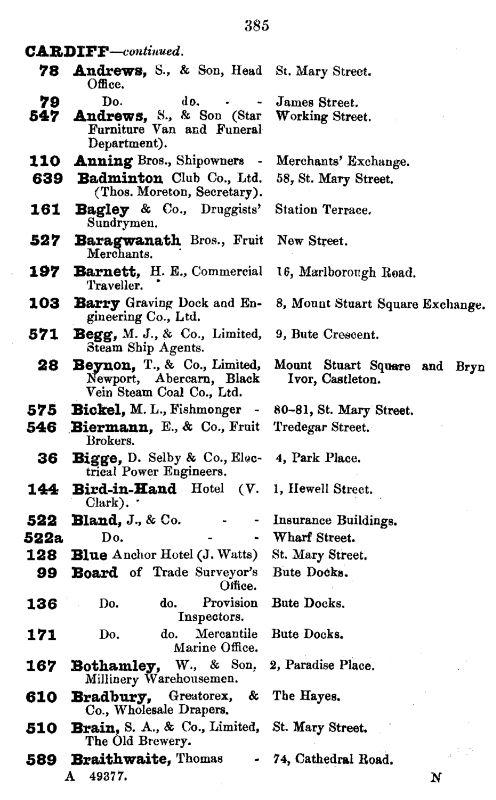
  In a snapshot example from the 1907 Post Office National Directory we can see that in Cardiff that subscribers included various business including a furniture remover and funeral director, fruit merchants, fishmonger, a commercial traveller and some private individuals.

1907 P O Telephone Cardiff

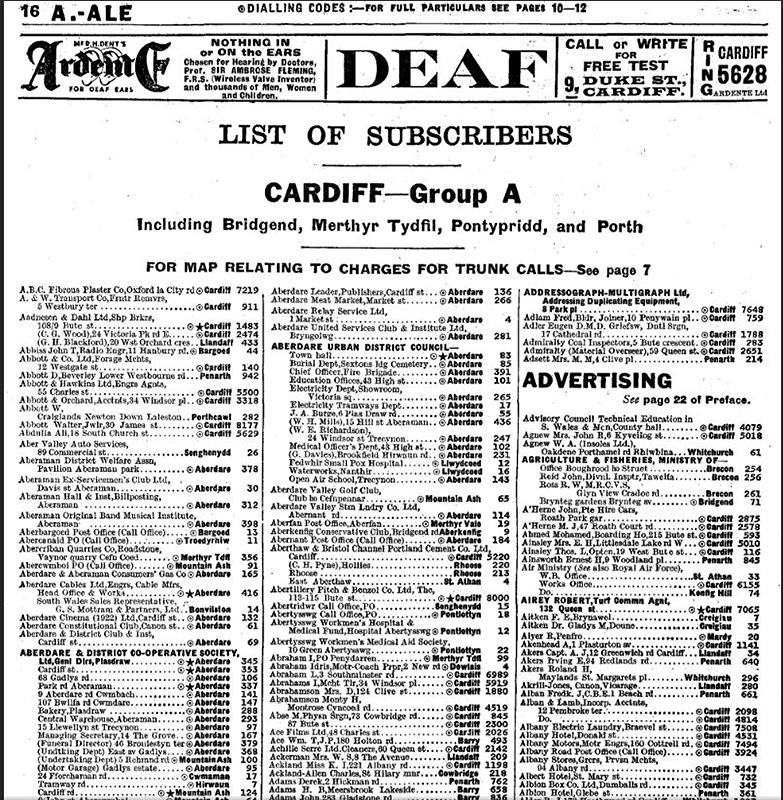
1907 Post Office National Directory.   By the late 1930s the various regions now contained tightly packed names and addresses with many more private subscribers for the family historian to research.

Post Office Telephone Directory Cardiff 1938

1938 Post Office Directory for Cardiff.   TheGenealogist has also just released online the United States WWII Prisoner of War records to compliment those that are already online for British and former Empire Prisoners of War of the Germans in WWI and WWII.
  • These new records reveal the names of U.S. military as well as U.S. and some Allied civilians who were prisoners of war and internees
  • Covering the years 1942 - 1947, Prisoners of both Germany and Japan are included in this collection
  • The record for each prisoner provides:
    • Name
    • Casualty status
    • Rank
    • Service number
    • PoW camp
    • Regiment, branch of service or civilian status
    • Home town or place of enlistment
    • Date reported
    • Race
    • State of residence
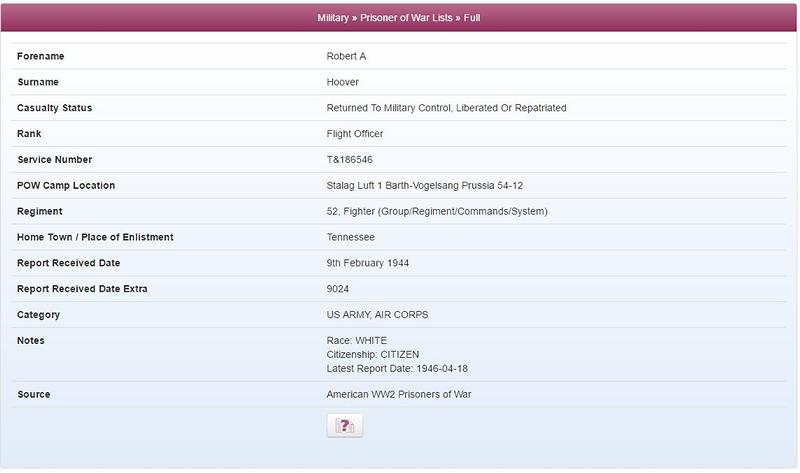
  Example Searching these PoW records we can find Robert  A. "Bob" Hoover, the former air show pilot and United States Air Force test pilot. Known as the "pilot's pilot", Hoover transformed aerobatic flying in his time and many in the world of aviation saw him as one of the greatest pilots ever to have lived. In the Second World War he was a fighter pilot.

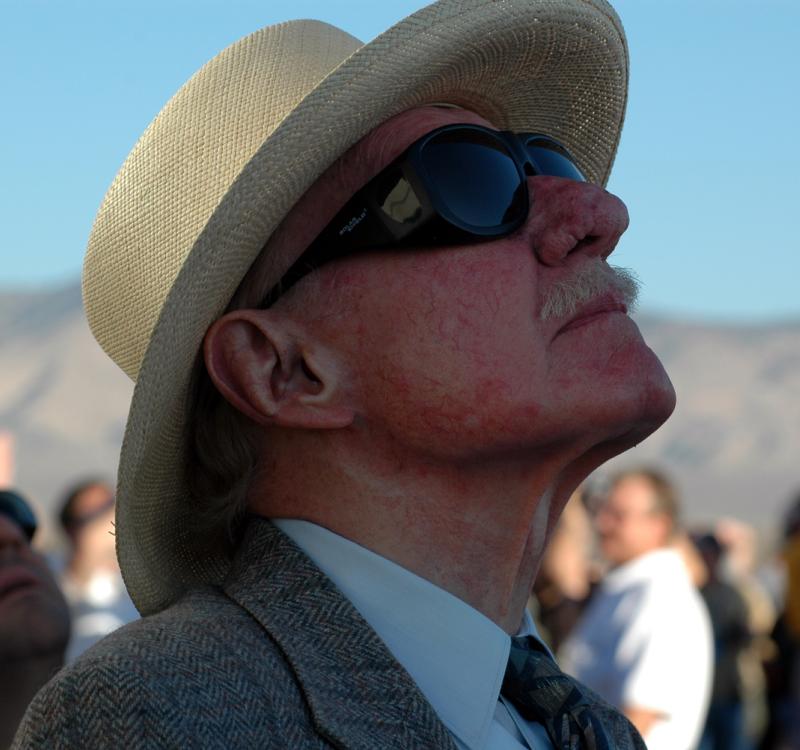
Bob_Hoover_Photo_D_Ramey_Logan

Robert A “Bob” Hoover by WPPilot (Own work)

[CC BY-SA 3.0 (http://creativecommons.org/licenses/by-sa/3.0)], via Wikimedia Commons

  During World War II, Hoover was posted to Casablanca where he test flew the assembled aircraft to ensure that they were ready for service. Later in the war he was re-assigned to the Spitfire-equipped American 52d Fighter Group in Sicily. In 1944, and on his 59th mission of the conflict, his malfunctioning Mark V Spitfire was shot down by a German plane off the coast of Southern France. Taken prisoner, he then spent 16 months at the German prison camp Stalag Luft 1 in Barth, Germany, which we can see from these new records on TheGenealogist.

Robert Hoover PoW on thegenealogistPrisoner of War records on TheGenealogist.

These records are derived from the National Archives and Records Administration, World War II Prisoners of War, 1941-1946.   In another record release TheGenealogist have added over 37,450 individuals to their Baptism Transcripts for Worcestershire in partnership with Malvern Family History Society, expanding their coverage and bringing the total to over 2 million individuals. These records range from the years 1544 to 1891.   Join TheGenealogist today to take advantage of a comprehensive set of family history records: www.thegenealogist.co.uk
Leave a comment

Battle of Jutland

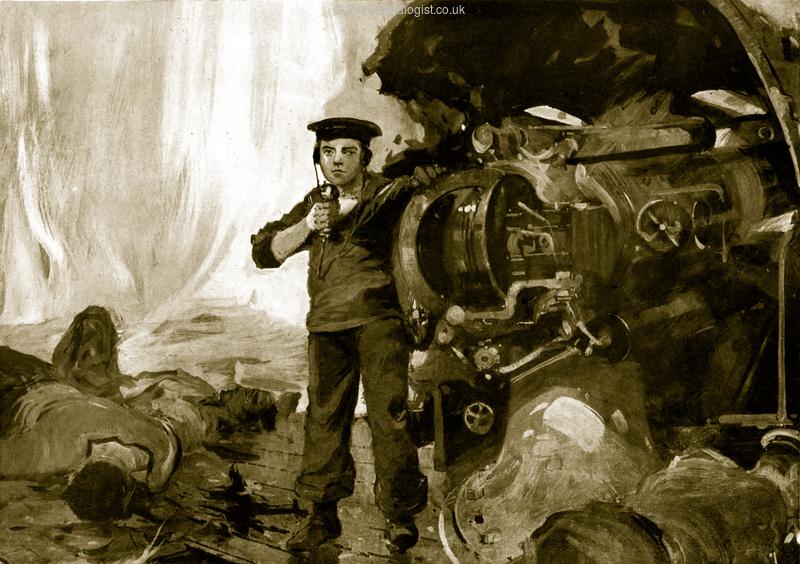
  This week sees the 100 year anniversary of the Battle of Jutland. Many websites have been publishing their own stories to commemorate this event and browsing TheGenealogist's Featured Articles section I found this one that draws on some of the excellent records for Jutland available on their site. As they say in the piece: TheGenealogist has a comprehensive Battle of Jutland record set that provides researchers with a full list of the men killed or wounded in the battle with their rank, name of ship and date of death taken from official Admiralty sources. Within these records we can find the brave Boy (1st Class) Cornwell alongside his comrades in arms that died in this battle 100 years ago. It includes the commander of the 1st Cruiser Squadron, Rear Admiral Robert Arbuthnot, who went down with his flagship HMS Defence. The Battle of Jutland Roll of Honour database at TheGenealogist was initially based upon the Admiralty's Registers of Killed and Wounded (from The National Archives). These were cross-referenced with the Naval Who's Who of 1917 and subsequently the Commonwealth War Graves Commission, along with other records. Where possible the records online are cross-referenced to entries at the CWGC's website, as with other Roll of Honour records at TheGenealogist. This combined database is uniquely available on TheGenealogist. Read the full article here: http://www.thegenealogist.co.uk/featuredarticles/2016/jutland-jack-cornwell-the-battle-of-jutlands-youngest-vc-332/

From the Image Archive on TheGenealogist

From the Image Archive on TheGenealogist: Boy (First Class) J T Cornwell of HMS Chester, though mortally wounded, stands at his post amid the dead and wounded crew.
Leave a comment

Hugh Dennis Urges Public To Remember War Dead In UK

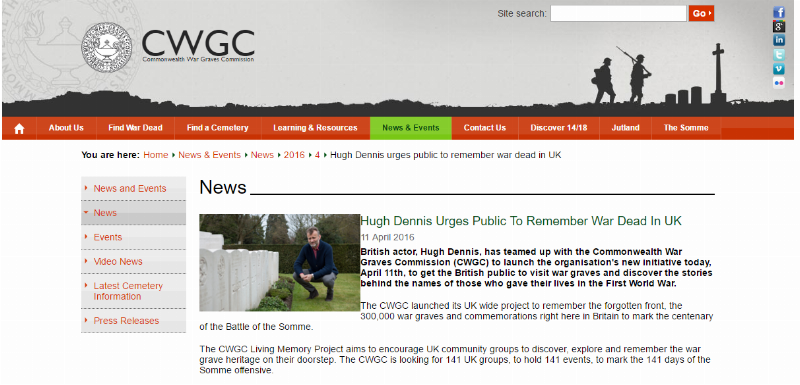
The well loved British actor, Hugh Dennis, teamed up with the Commonwealth War Graves Commission (CWGC) to launch the organisation's new initiative recently (April 11th 2016) to get the British public to visit war graves and discover the stories behind the names of those who gave their lives in the First World War. The CWGC launched its UK wide project to mark the centenary of the Battle of the Somme by remembering the forgotten front. That is the name it has given to the 300,000 war graves and commemorations that are here in Britain to mark the centenary of the Battle of the Somme. Hugh Dennis, who is the Living Memory ambassador for the Commonwealth War Graves Commission, is quoted on their website saying: "I have a very personal connection with the First World War as both my grandfathers fought at the Western Front. My great uncles also fought and one, my great uncle Frank, died and is commemorated by the CWGC in Gallipoli, Turkey. "I'd urge everyone to get involved in this initiative so we never forget those who died during the Great War and are buried and commemorated so close to us on the home front." Check out the CWGC post on their blog here.

CWGC Hugh Dennis

Leave a comment

Find World War II Prisoners Of War online